

Read at a Glance
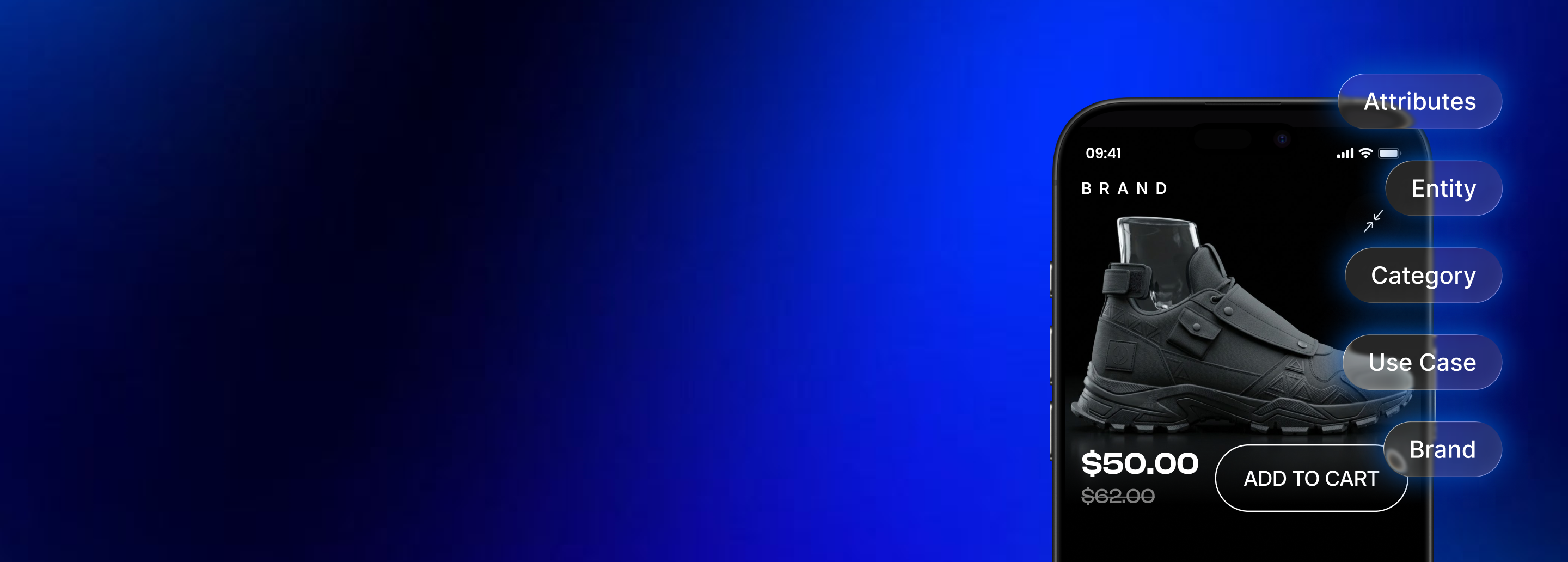
Search engines have evolved past simple keyword matching to focus entirely on entities, which are well-defined concepts, brands, or things. To win in modern search, enterprise ecommerce brands must transition from legacy keyword-stuffing strategies to entity-based semantic frameworks. This approach requires building comprehensive topic clusters and implementing technical schema markup to establish absolute domain authority and feed AI-driven search models.
The Evolution of Meaning Beyond Keyword Matching
For decades, search engine optimization was a game of frequency. If you wanted to rank for leather boots, you mentioned leather boots until the text felt strained and mechanical. But search has moved past the era of string-matching. Google no longer looks at your content as a collection of separate words, but as an interconnected network of entities.
In this new paradigm, the search engine does not just read your page. It understands it. It connects the dots between concepts, brands, and people, building a multidimensional map of knowledge known as the Knowledge Graph. To survive the shift toward AI-driven search, we must stop writing for keywords and start writing for context.
How Do Search Engines Define Real-World Concepts?
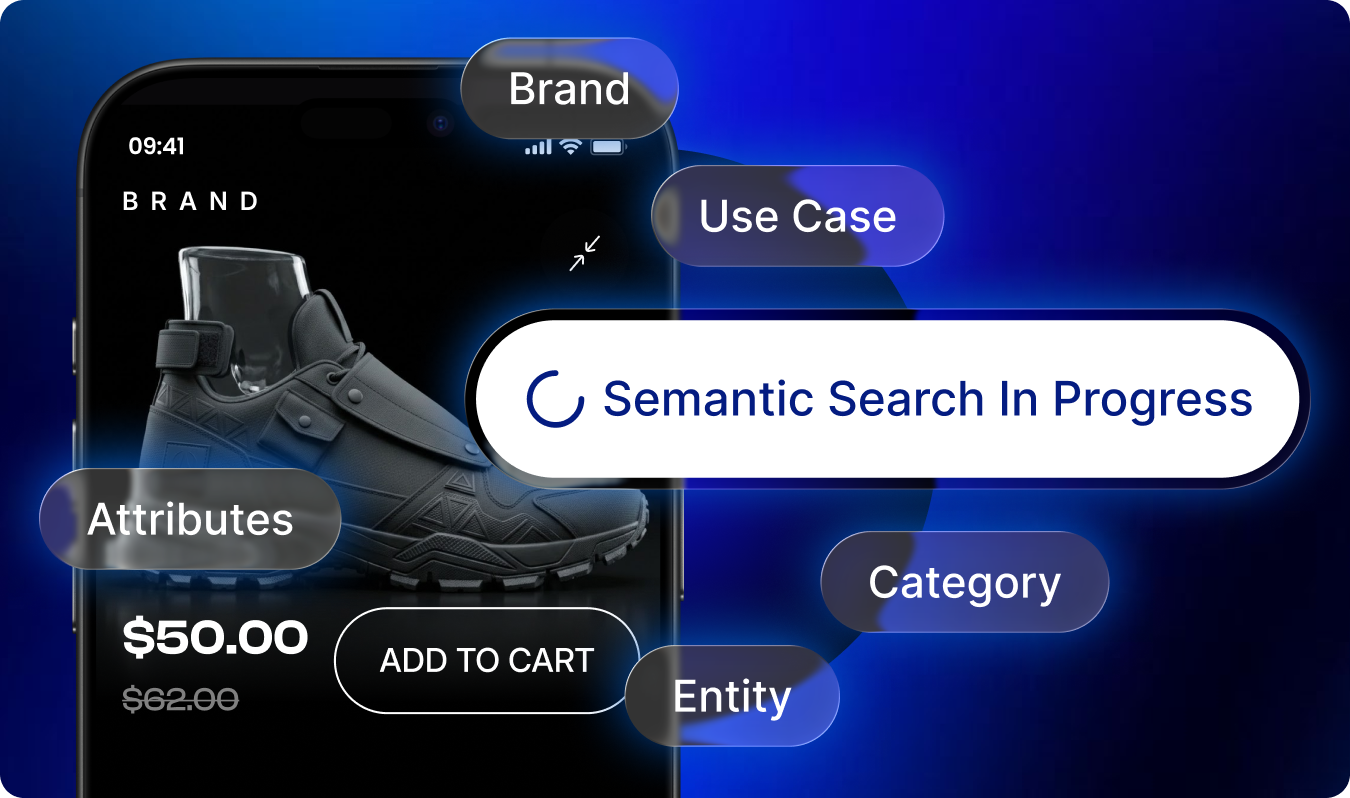
In the world of semantic search, an entity is a thing or concept that is singular, unique, well-defined, and distinguishable. It could be a physical object, a specific brand, a geographic location, or an abstract concept. It exists independently of the words used to describe it.
Unlike keywords, which are language-dependent and often ambiguous, entities are universal. If a user searches for the lead singer of U2, Google does not just look for those specific words. It resolves the query to the entity Bono because it understands the relationship between the band, the role, and the individual.
Closing the Semantic Gap with Context Over Frequency
The primary challenge in modern optimization is closing the semantic gap, which is the distance between what you say and what Google understands you mean.
When you focus solely on keywords, you provide data. When you focus on entities, you provide context. Google evaluates the neighborhood of your content. If you are writing about Mercury, are you discussing the planet, the element, the Roman god, or the automotive brand? Google determines this by looking at the surrounding entities.
For example, if the page mentions orbit, solar system, and crust, the entity is the planet. If it mentions thermometer, toxicity, and liquid metal, the entity is the element.
Topic Clusters and the Architecture of Authority
If indexability is about the right of a page to exist, semantic context is about its right to lead. Authority is no longer granted to a single URL containing a specific keyword. Instead, it is granted to domains that demonstrate a comprehensive understanding of an entire topical entity.
This is why thin content is failing. A 500-word blog post on a broad topic provides no semantic depth. High-performing sites utilize topic clusters, which feature a core pillar entity page supported by several sub-entity pages. This structure builds a web of relevance that signals to Google that this site is a definitive source of knowledge for this entire concept.
Why Is Structured Data Essential for Semantic Clarity?
While search engine natural language processing systems are highly sophisticated, they still appreciate a direct, machine-readable map. Structured data from Schema.org acts as the translator between your human-readable prose and the database of the search engine.
By using Linked Data, known technically as JSON-LD, you explicitly tell algorithms that this specific string of text refers to a precise entity. You are not just hoping a crawler gets the hint, you are actively defining the relationships. Without this technical layer, you leave your semantic clarity to chance.
How the AI Factor Changes Content Formatting
With the rise of Search Generative Experiences, generative engine optimization, and AI Overviews, the importance of entities has skyrocketed. AI models do not rank websites in the traditional sense. Instead, they synthesize information from trusted entities.
To be cited as a source in an AI-generated answer, your content must be structured in a way that is easily extractable. This means using clear headings, direct statements such as a canonical tag is a technical signal, and maintaining a logical flow of related concepts.
The transition from keywords to entities represents the maturation of the web. It is a shift from manipulation to communication. Technical optimization ensures you are seen, but semantic optimization ensures you are understood. As we move toward a search landscape defined by intent and context, the question is no longer what keywords are we targeting, but rather what entity do we want to own?
Is Your Content Semantically Clear?
If your organic traffic is plateauing despite optimizing your keywords, your site may be suffering from semantic ambiguity. Establishing context is just as vital as ensuring technical accessibility. In fact, if you want to understand how technical architecture and crawler access impact your overall visibility, you can read our deep dive into why great content fails to appear in search.
At Mira Commerce, we help enterprise brands transition from legacy keyword strategies to sophisticated entity-based frameworks. We ensure your brand is not just found, but recognized as an authority by the most powerful algorithms in the world. If you are interested in learning more about how we can elevate your semantic presence and optimize your digital commerce engineering, contact us today.


.webp?compression=lossy)
.webp?compression=lossy)